Solution · AI Support
Detect issues before they lead to downtime
Kibi Scada detects gradual anomalies in operational data and provides hints for predictive maintenance — as a complement to threshold-based monitoring.
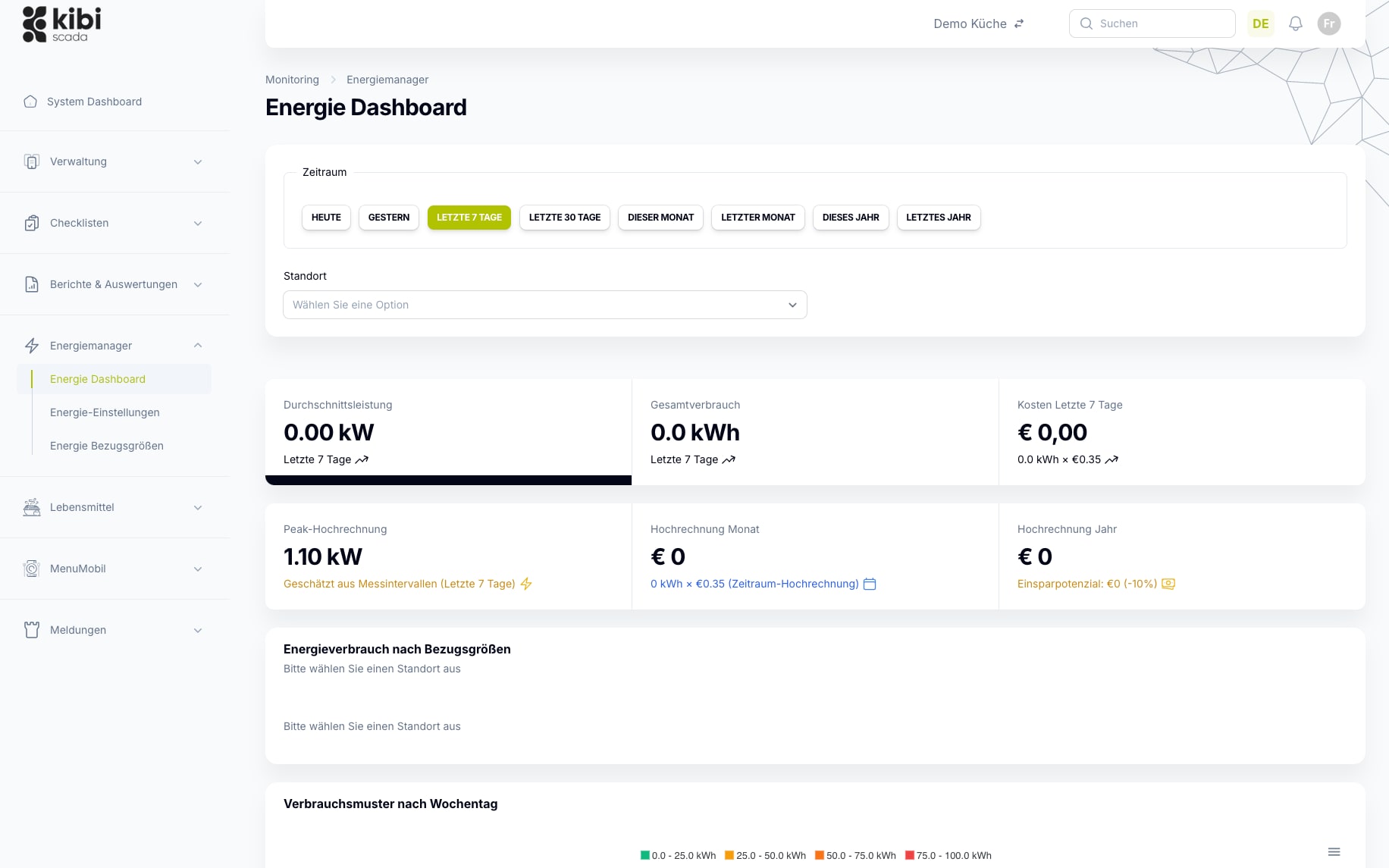
AI-powered anomaly detection across temperatures, devices, and alerts
Predictive maintenance based on device and fault history
AI assistant answers questions about devices and locations in context
Ausgangslage
Why pure threshold values often come too late in daily operations
Threshold monitoring is essential—but it only alerts you once the deviation has already occurred. Gradual deterioration, unusual clusters, and correlations between devices remain invisible without additional analysis.
Issues only become apparent when goods or equipment are already affected.
Fixed thresholds only trigger when the deviation is already there. Gradual deterioration remains invisible until then.
Early warning signs get lost in the flood of measurement data
Across numerous devices and locations, vast amounts of data are generated—where individual anomalies simply go unnoticed without proper analysis.
Knowledge about equipment resides in people’s heads, not in the system.
Anyone who knows a device understands its behavior. If that person is absent, that knowledge is lost—and it can’t be replicated.
Lösung durch Kibi Scada
How AI support enhances monitoring
AI doesn’t replace rules or responsibility. It turns vast amounts of data into early, traceable insights—giving your team time to act, not just react.
Irregularities become visible sooner
The AI continuously compares trends and correlations, reporting deviations that don’t have a fixed threshold—before they escalate into incidents.
Maintenance becomes predictable instead of reactive
Predictive alerts based on device history shift maintenance from unplanned downtime to scheduled appointments.
Answers without lengthy data searches
The AI assistant answers questions about equipment and locations directly in context—the knowledge is in the system, not just in individual minds.
Ablauf im Betrieb
How operational data becomes actionable insights
From shared data foundation to pattern recognition to actionable insights: this is the workflow behind the AI support in Kibi Scada.
Phase 01
01Operational data comes together
Temperatures, device statuses, alerts, and energy values flow continuously into a shared database—the foundation for any automated analysis.
Phase 02
02The AI detects patterns and anomalies
Instead of rigid thresholds, the AI analyzes trends, patterns, and correlations: gradual sensor shifts, unusual alert clusters, device interdependencies, or energy anomalies.
Phase 03
03From anomalies to actionable insights
Detected patterns appear as alerts—such as a signal for predictive maintenance on a device showing signs of wear. The AI assistant answers questions directly in the context of the device and its location.
Passende Bausteine
Which Kibi Scada modules power this solution?
AI support isn’t an isolated solution—it builds on your existing data, dashboard, and alerting system.
Dashboard
AI insights and detected anomalies appear right where your employees are already working.
Funktion ansehenAlerting
Threshold-based alerting remains the foundation that AI enhances—not replaces.
Funktion ansehenSecurity
AI analytics run on data hosted in Germany under the same data protection standards.
Funktion ansehenTypische Einsatzbilder
Where AI support makes the biggest difference
The more devices, locations, and data come together, the more valuable an analysis becomes that highlights early indicators from the mass of information.
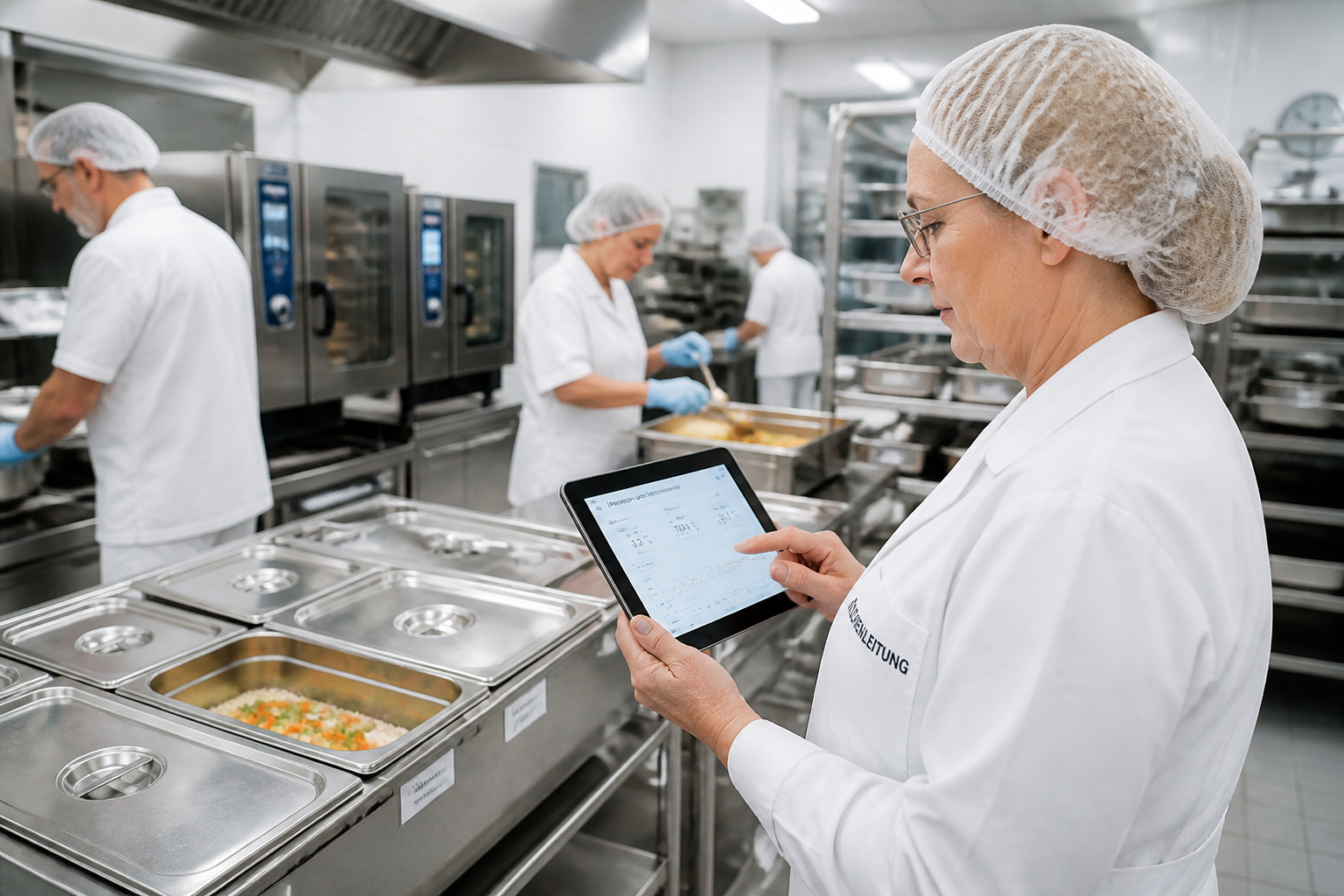
Hospitals
Early warnings of device degradation before the supply to sensitive stations is affected.
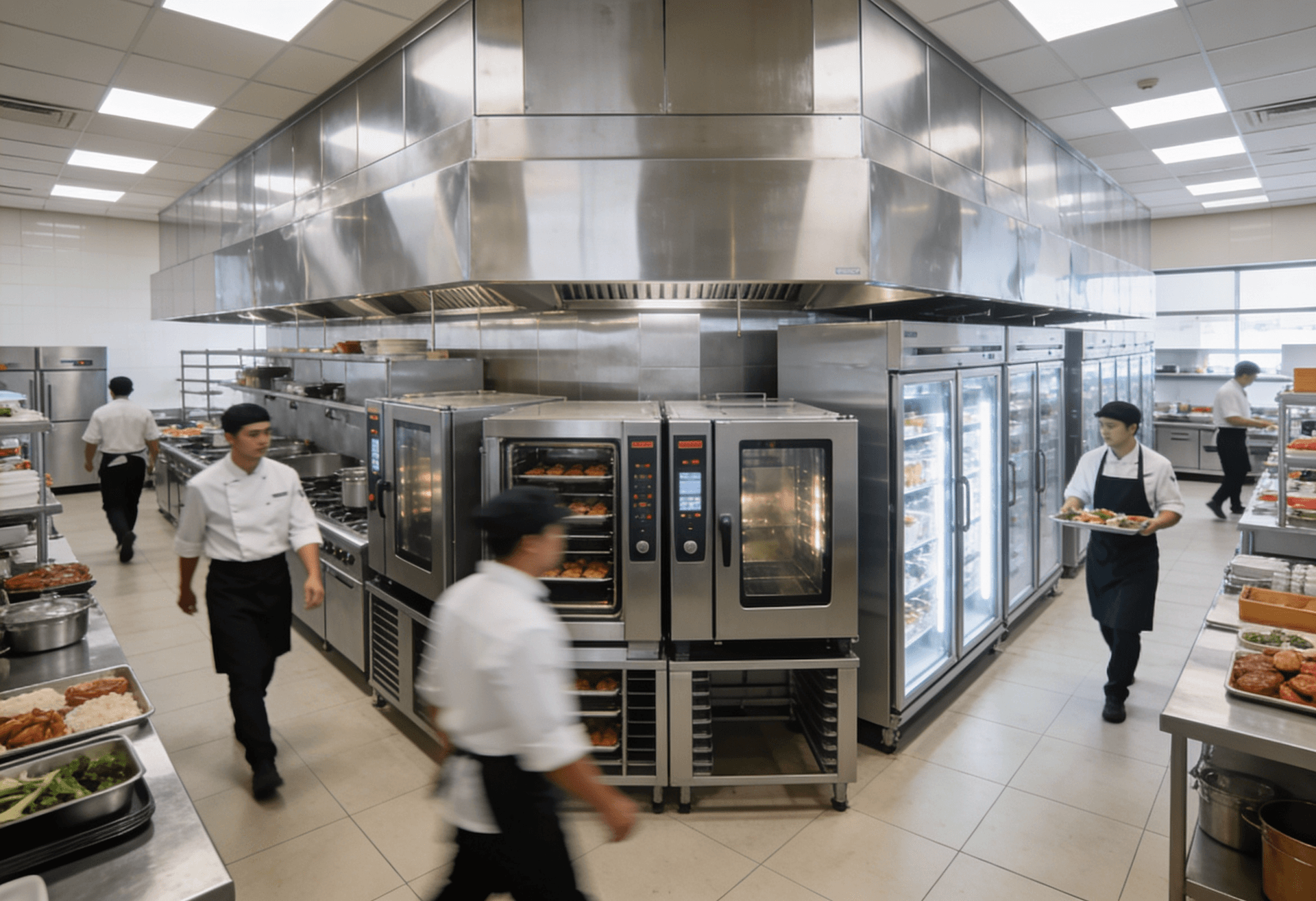
Large kitchens
Spot anomalies in dense device landscapes before they get lost in day-to-day operations.
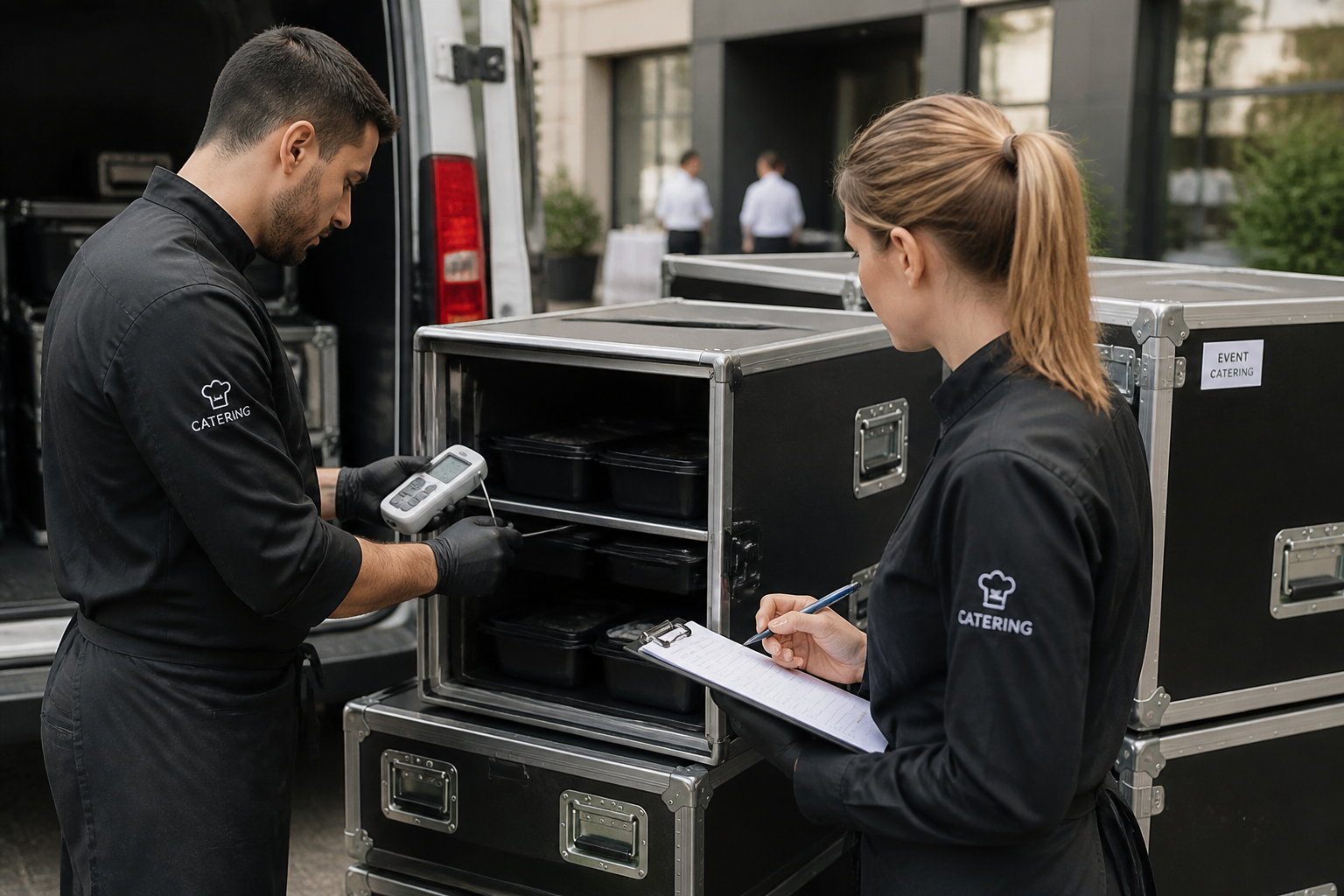
Catering
Compare trends across locations and deployments – as a foundation for predictable maintenance.
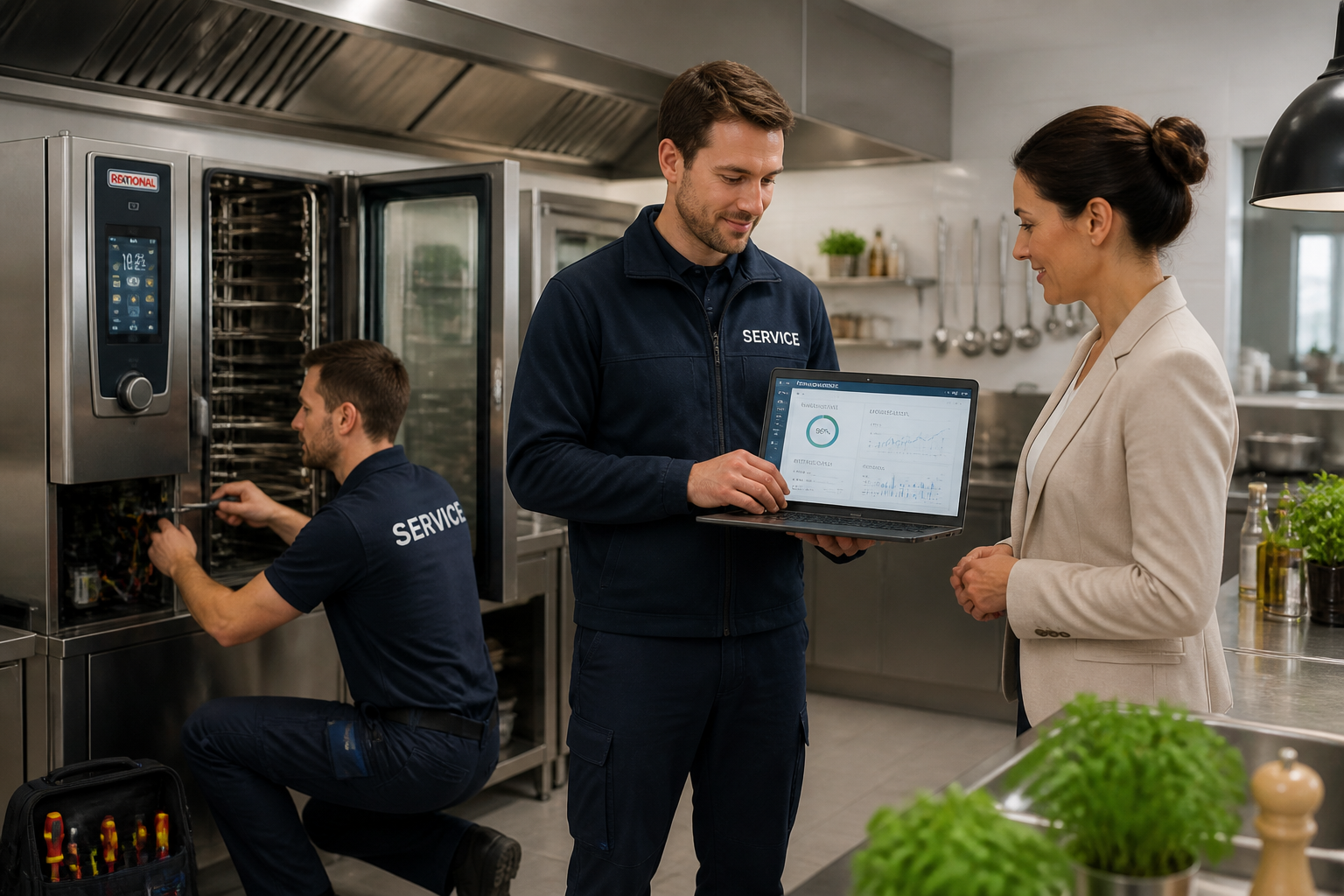
Service Partners
Proactive maintenance alerts across multiple customer sites – plan deployments more strategically.
FAQ
Frequently Asked Questions About AI Support
What exactly does the AI in Kibi Scada do?
The AI continuously analyzes your operational data and highlights anomalies that would otherwise get lost in the mass of measurements: temperature irregularities, creeping sensor trends, unusual clusters of alerts, correlations between devices, and energy anomalies. Additionally, an AI assistant provides context-specific answers about individual devices and locations.
What is predictive maintenance?
Kibi Scada analyzes the condition and error history of a device and identifies patterns that indicate declining performance or an impending failure. This generates maintenance alerts before a device actually fails—enabling planned maintenance instead of reactive responses.
Does AI replace traditional monitoring and alerting?
No. Threshold-based monitoring and multi-level alerting remain the foundation. AI enhances them: it detects anomalies that no fixed threshold can capture and contextualizes events. It doesn’t make decisions on its own—it provides insights for your team.
Is AI a black box?
No. Every alert is tied to specific devices, measurements, and time periods, and can be traced in the dashboard. You can see the basis for any anomaly and review it in context.
How does data protection work with the AI features?
The AI features operate on your operational data in the Kibi Scada Cloud. The same data protection and hosting standards apply as for the entire platform—hosting in Germany and GDPR-compliant processing. Find details on the security page.
See AI-powered analysis on real data?
We’ll show you live how Kibi Scada detects anomalies, provides maintenance alerts, and how the AI assistant answers questions in context.

Persönlicher Ansprechpartner
Christofer Wesseling
Founder & Managing Director · Weslink GmbH
We show Kibi Scada live on your equipment, advise you personally on integration and onboarding, and support the rollout in your operation.
Last updated: