Features · Integrations
Open interfaces that truly make existing devices connectable
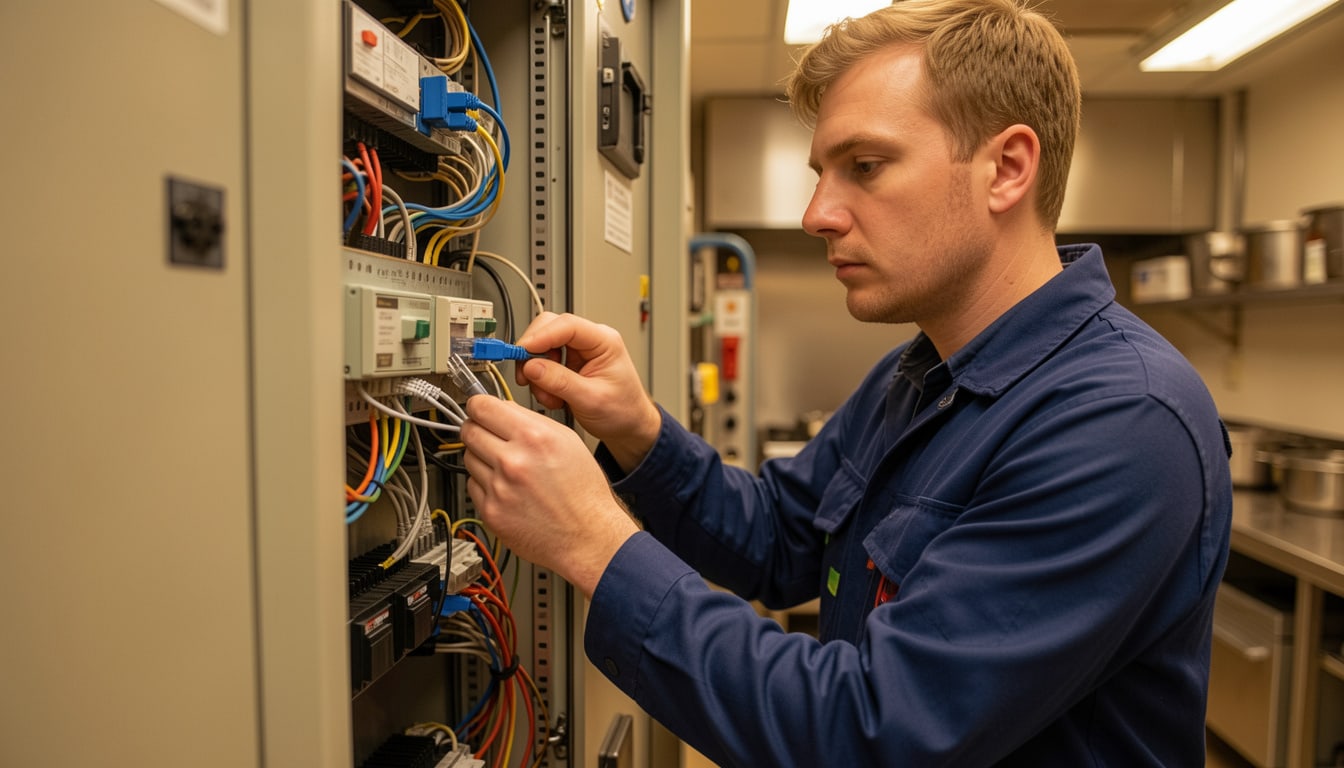
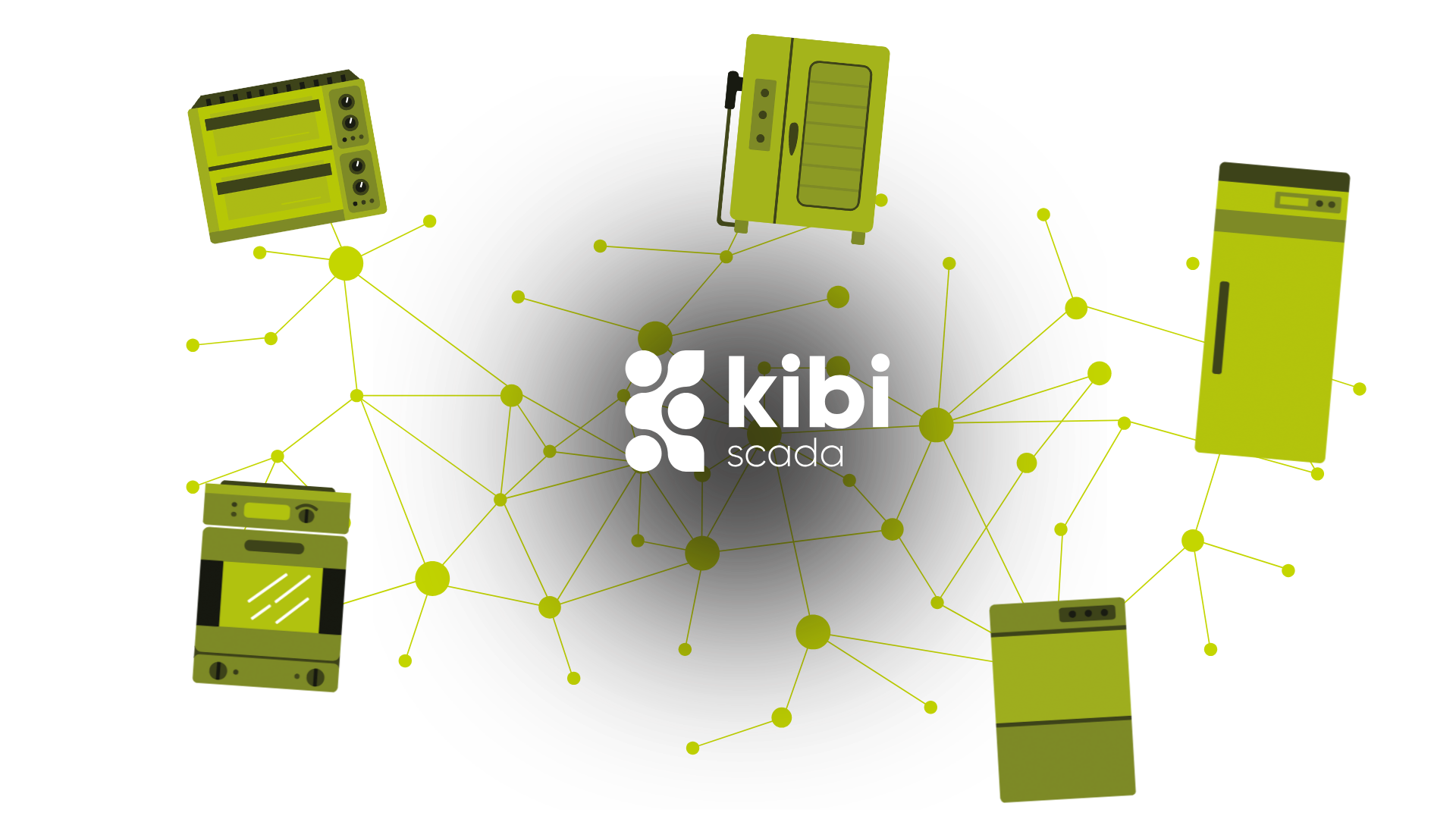
Kibi Scada connects existing devices via wireless, fieldbus, or IP—manufacturer-independent and without replacing current equipment.
- MQTT, LoRaWAN, Modbus, and OPC UA in a single platform model
- REST API and webhooks for operational follow-up processes
- Encrypted data paths from sensor to cloud

Auf einen Blick
Connectivity as a resilient operational foundation
Interfaces are more than just technical connectivity. True platform value only emerges when data arrives securely, is standardized, and can trigger processes.
Typische Bausteine
Arbeitsweise
From the device to the follow-up system
Three steps to transform a physical connection into a usable data and event stream—stable, secure, and ready for your processes.
Connect a device or sensor
Depending on the existing infrastructure, radio, IP, or fieldbus technology is used. Kibi Scada integrates this diversity without turning each source into its own isolated system.
Unify your data
Operational data, statuses, and metadata are consolidated into a unified operational model. This is what makes them consistently reusable in dashboards, alerts, and reporting.
Share updates in real time
Data leaves the platform in a structured format via API and webhooks. This turns logs into real process building blocks for third-party systems and automations.
Im Detail
What modern connectivity needs to deliver in kitchen and plant environments
Legacy devices, new sensors, and diverse target systems require an architecture that supports a wide range of protocols while removing complexity from day-to-day operations.
Protocol Diversity
Different devices speak the same language in Kibi Scada.
MQTT, LoRaWAN, Modbus, and OPC UA each have their own strengths. The platform ensures this diversity doesn’t lead to operational complexity, but rather to greater connectivity.
- Use IoT, radio, and fieldbus protocols simultaneously
- Direct integration of existing kitchen equipment
- New sensors can be added without overhauling the entire architecture
- Consistent use across dashboards, alerts, and reports
Secure Data Paths
From sensor to cloud, the data path remains traceable.
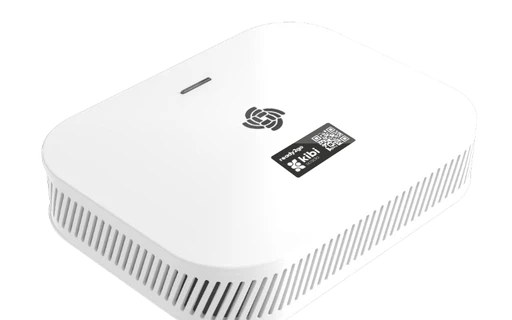
Interfaces are only reliable when transmission, buffering, and delivery are seamlessly resolved. That’s why Kibi Scada always addresses connectivity together with operational stability and security.
- Encrypted transmission between device, gateway, and cloud
- Local buffering during temporary network interruptions
- Flexible network connectivity via LAN, Wi-Fi, or mobile data
- Clearly traceable data routes for operations and IT

API & Automation
Data can not only be read, but also integrated into processes.
Open interfaces only unlock their full potential when they lead to downstream processes. Kibi Scada provides the technical building blocks for this: APIs, webhooks, and structured export paths.
- REST API for measurement data, alarms, devices, and reports
- Webhooks for event-driven follow-up systems
- OpenAPI documentation for predictable integration
- Connect ERP, BI, ticketing systems, and custom developments
Einsatzfelder
Where open interfaces make the biggest structural difference
The more heterogeneous your device landscape and IT environment, the greater the impact clean interfaces have on operational reliability, scalability, and downstream processes.

Hospitals
Distributed kitchen, technical, and hygiene teams need a platform that neatly consolidates alert pathways, documentation, and location data.
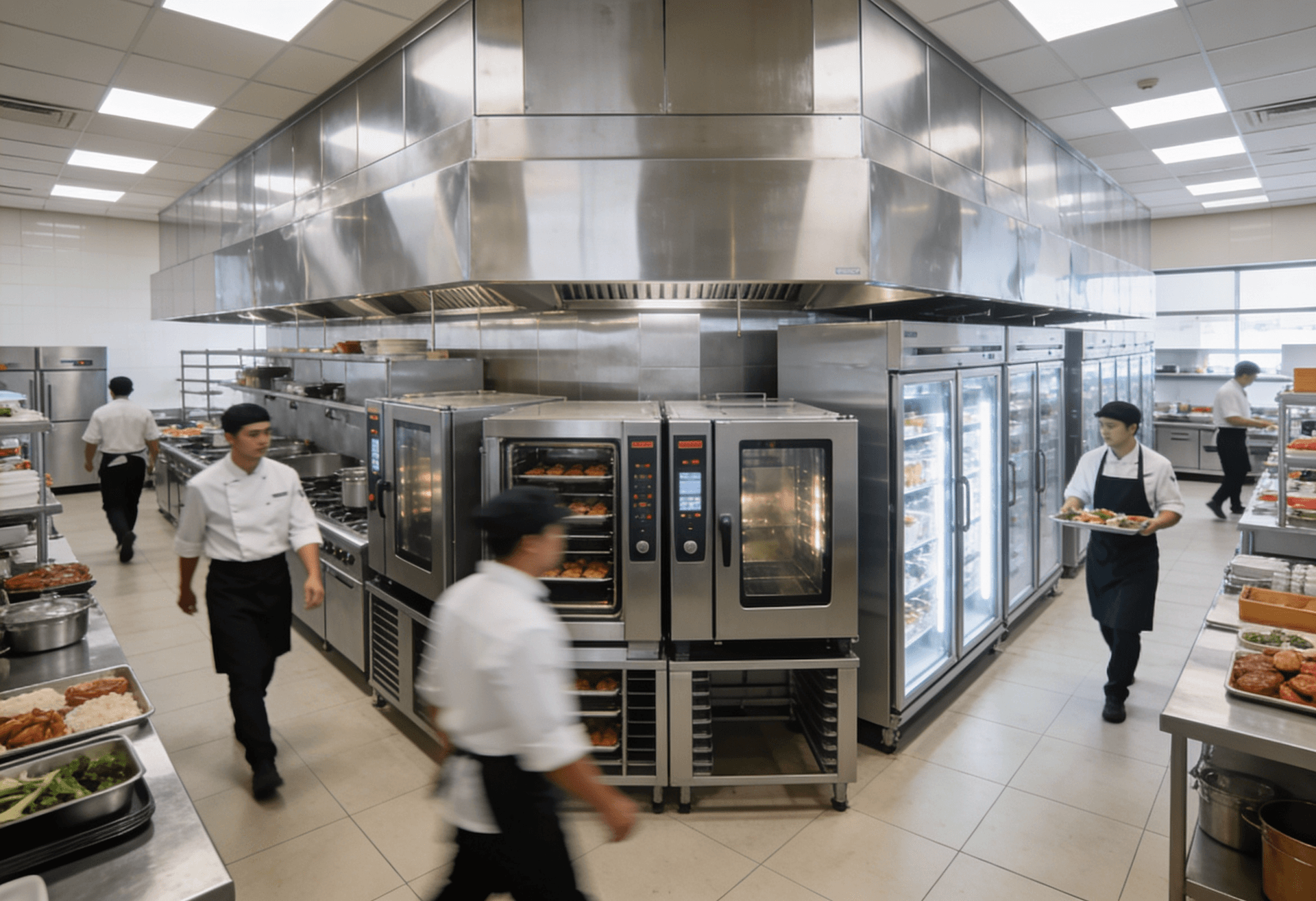
Large-scale kitchens
High documentation requirements, numerous devices, and tight operational windows make seamless transparency on the platform especially valuable.
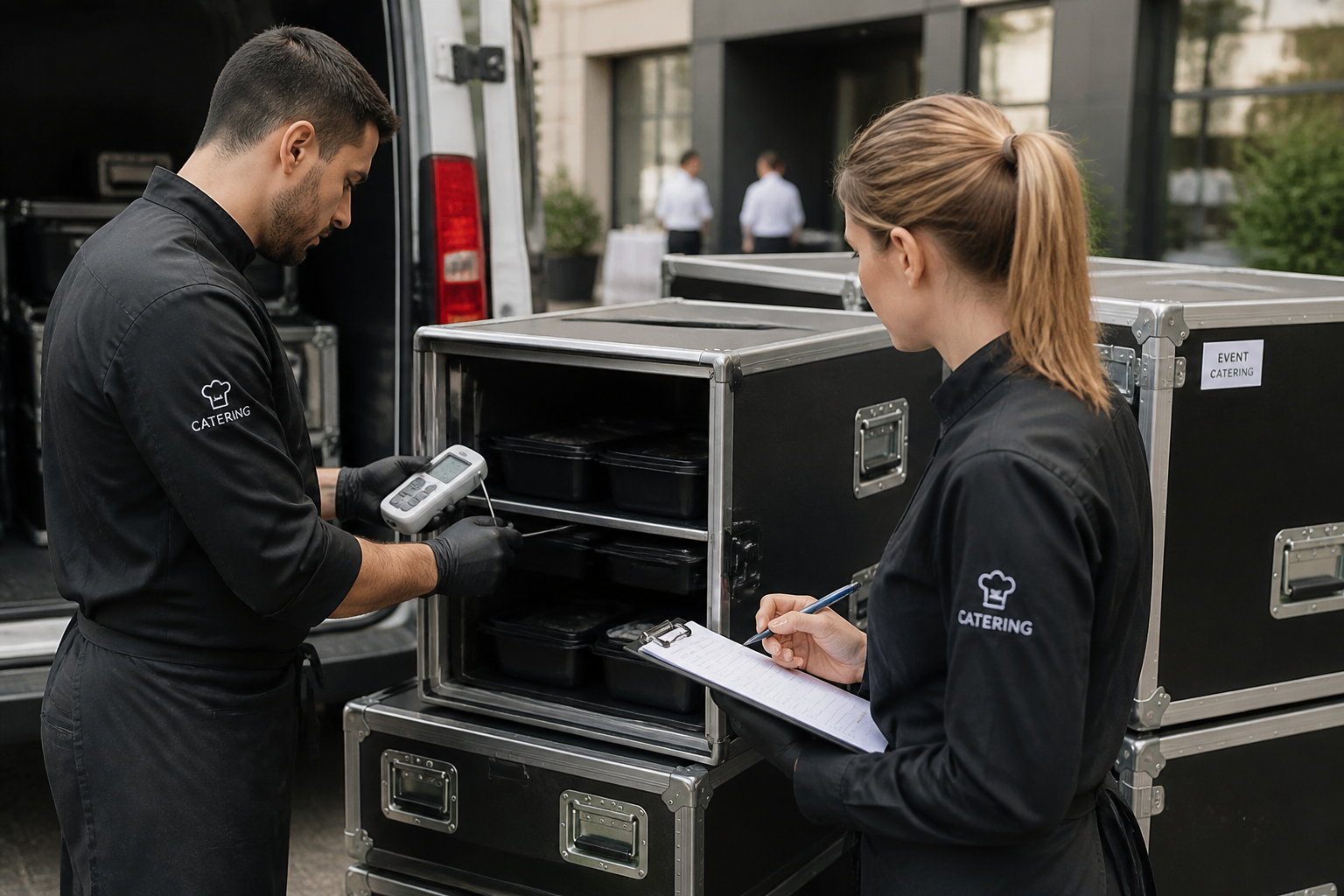
Catering
Mobile processes, multiple output points, and shifting teams benefit from a central system for monitoring, alerts, and reporting.
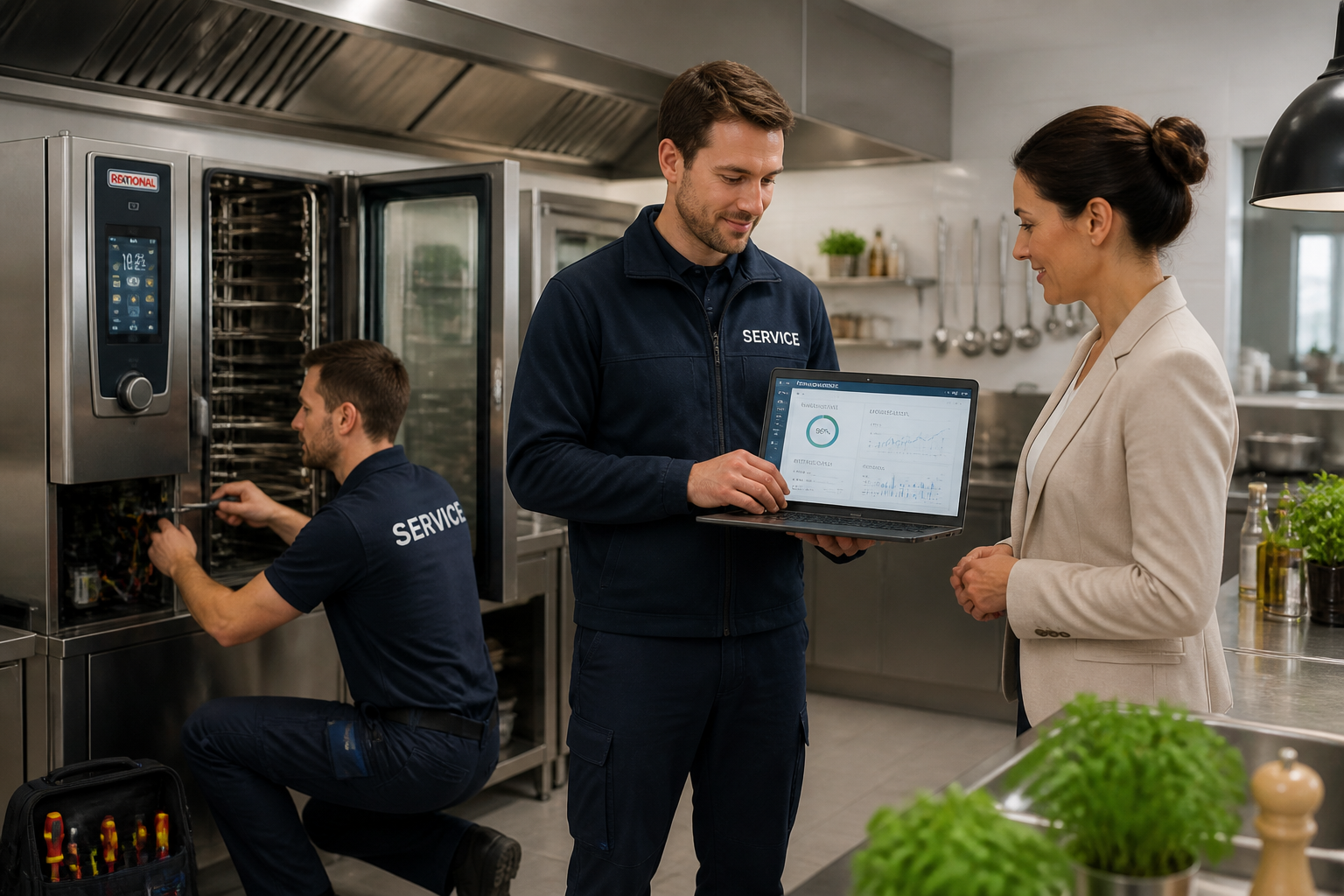
Service Partners
Tenants, technical responsibilities, and documented measures can be consistently managed on a single platform.
FAQ
Frequently Asked Questions About Interfaces & Protocols
Which communication protocols does Kibi Scada support?
Kibi Scada supports a wide range of protocols: MQTT for IoT telemetry, LoRaWAN for long-range wireless sensors, Modbus TCP/RTU for industrial controls, OPC-UA for device integration, REST-API for software connectivity, and webhooks for event-driven communication. This enables the connection of virtually all common kitchen and industrial equipment.
What is MQTT and why is it used for IoT?
MQTT (Message Queuing Telemetry Transport) is a lightweight messaging protocol designed specifically for IoT devices. It requires minimal bandwidth, operates reliably even with unstable network connections, and is ideal for transmitting sensor data. In Kibi Scada, all connected devices communicate with the cloud platform via MQTT.
How does the LoRaWAN integration work?
LoRaWAN (Long Range Wide Area Network) is a wireless network with long range and low power consumption. The wireless sensors transmit their measurements to a LoRaWAN gateway, which forwards the data to the Kibi Scada LoRaWAN server. A single gateway can support several hundred sensors simultaneously and has a range of several hundred meters indoors.
Can I connect existing Modbus devices?
Yes, Kibi Scada supports both Modbus TCP (via Ethernet) and Modbus RTU (via serial interfaces). Many refrigeration units, ventilation systems, and industrial controls in commercial kitchens feature Modbus interfaces and can be connected directly—without additional hardware.
Is there a REST API for integrating into your own systems?
Yes, Kibi Scada offers a comprehensive REST API that gives you access to all data: current measurements, historical data, alarms, device information, and reports. The API is documented with OpenAPI and enables integration with ERP systems, building management software, or your own applications.
What are webhooks and how do I use them?
Webhooks are HTTP callbacks that are triggered automatically when a specific event occurs—such as an alarm, a temperature exceedance, or a device status change. You can use webhooks to automatically notify external systems, like a ticketing system in case of an alarm or an ERP system for maintenance events.
How secure is data transmission between the device and the cloud?
All data transmissions are encrypted. IoT devices communicate with the Kibi Scada Cloud via encrypted VPN connections (OpenVPN with AES-256). LoRaWAN data is double-encrypted at both the network and application levels. The REST API and webhooks use TLS 1.3 with Perfect Forward Secrecy. Learn more on our security page.
Can I use multiple protocols simultaneously in one installation?
Yes, that’s a core advantage of Kibi Scada. You can operate LoRaWAN wireless sensors, Modbus devices, and MQTT-connected devices simultaneously within a single installation. All data is unified in the Kibi Scada Cloud and is consistently available in the dashboard, reports, and via the API.
Reviewing interfaces, protocols, and target systems in your setup?
We show you which devices and protocols you can connect directly—and how this creates a stable connection to dashboards, alerts, and third-party systems.

Persönlicher Ansprechpartner
Christofer Wesseling
Founder & Managing Director · Weslink GmbH
We show Kibi Scada live on your equipment, advise you personally on integration and onboarding, and support the rollout in your operation.
Last updated: